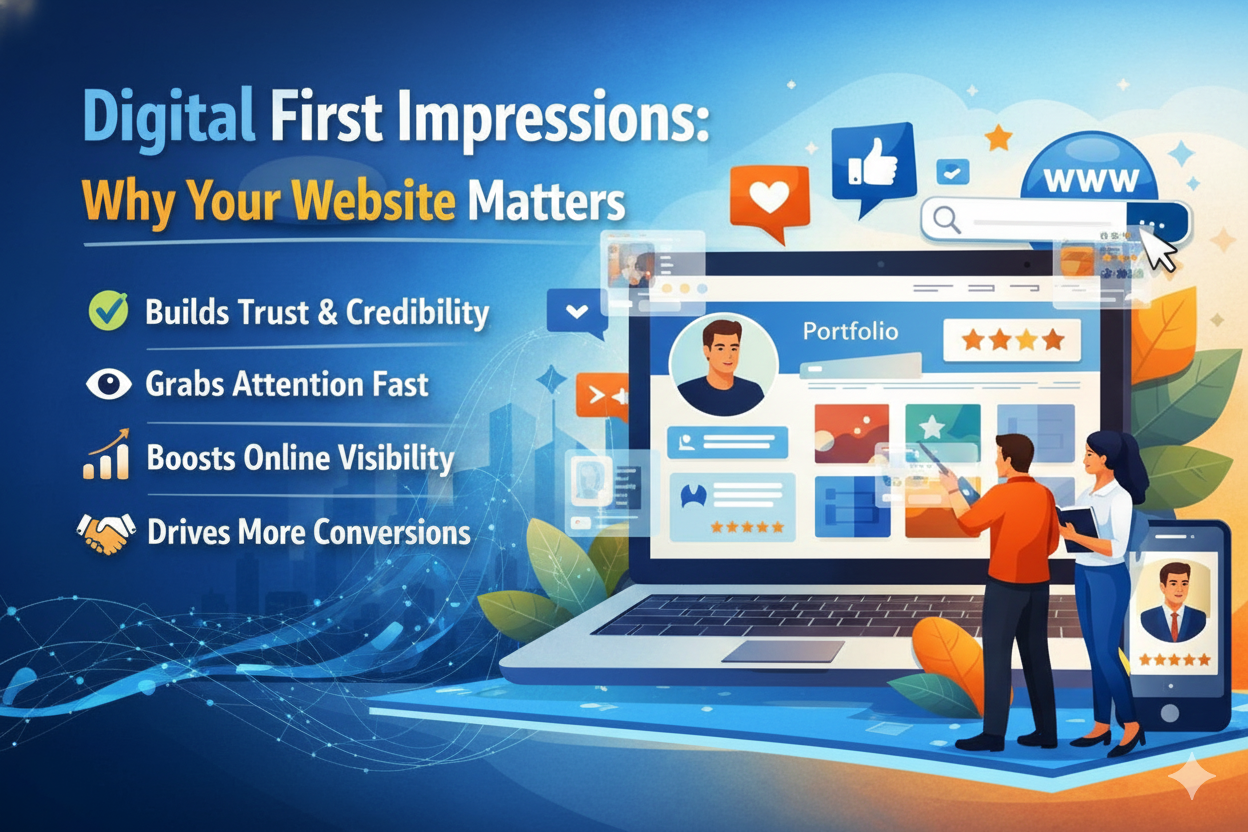
Digital First Impressions: Why Your Website Matters

In today’s digital-first world, people form opinions faster than ever before. Before a potential client, employer, or customer speaks to you, sends an email, or makes a call, they usually visit your website. This brief interaction often determines whether they will trust you, engage with you, or move on to a competitor. This is what we call a digital first impression, and your website plays the most critical role in shaping it.
This blog explores why your website matters so much in creating strong digital first impressions and how it directly impacts credibility, trust, and growth.
1. Your Website Is Often the First Point of Contact
For most people, your website is the very first interaction they have with your brand or professional identity. Whether someone finds you through Google, social media, email, or a referral, they usually land on your website to learn more.
Within just a few seconds, visitors subconsciously answer important questions:
- Is this business or professional trustworthy?
- Does this look professional and reliable?
- Is this relevant to my needs?
- Should I continue exploring or leave?
If your website fails to answer these questions positively, the visitor may leave—often permanently.
2. First Impressions Are Formed in Seconds
Studies show that users form an opinion about a website in just a few seconds. This means design, layout, color scheme, typography, and overall structure matter more than many people realize.
A clean, modern, and well-organized website instantly communicates:
- Professionalism
- Credibility
- Attention to detail
On the other hand, a slow, cluttered, or outdated website can create doubt, even if your services or skills are excellent. In the digital world, perception often becomes reality.
3. Your Website Reflects Your Brand Identity
Your website is not just a collection of pages—it is a digital representation of your brand. It reflects your values, personality, and level of professionalism.
Through your website, visitors understand:
- Who you are
- What you offer
- How you communicate
- What makes you different
Consistent branding elements such as colors, fonts, messaging, and visuals help create a strong and memorable identity. A clear brand presence builds familiarity, and familiarity builds trust.
4. Builds Trust and Credibility Instantly
Trust is one of the most important factors in any online interaction. People are cautious when choosing a service provider or business online, especially when money or personal data is involved.
A professional website builds trust by including:
- Clear “About” information
- Genuine testimonials or reviews
- Portfolio or case studies
- Secure and transparent contact details
- Clear service descriptions
When users feel informed and confident, they are far more likely to take the next step.
5. Website Design Influences User Behavior
Good website design is not only about looking attractive—it is about guiding users smoothly toward action. This could be contacting you, booking a service, or requesting a quote.
A well-designed website:
- Makes navigation easy
- Loads quickly
- Works well on mobile devices
- Highlights important information clearly
If users struggle to find what they are looking for, they will leave, regardless of how good your offerings are. User experience directly affects conversions and engagement.
6. Your Website Works as a Silent Salesperson
Unlike social media or advertisements that require constant effort and investment, your website works continuously. It introduces you, explains your value, answers common questions, and encourages action—all without human involvement.
A strong digital first impression through your website can:
- Convert visitors into leads
- Reduce the need for repeated explanations
- Pre-qualify clients before contact
- Save time and resources
In many cases, visitors decide to work with you even before speaking to you, simply based on what they see on your website.
7. Mobile Experience Shapes First Impressions
Today, a large percentage of users visit websites from smartphones. If your website is not mobile-friendly, you risk losing visitors instantly.
A responsive website ensures:
- Easy readability on all screen sizes
- Smooth navigation on touch devices
- Faster loading on mobile networks
A poor mobile experience sends a negative signal and can damage your digital first impression, regardless of how good your desktop site looks.
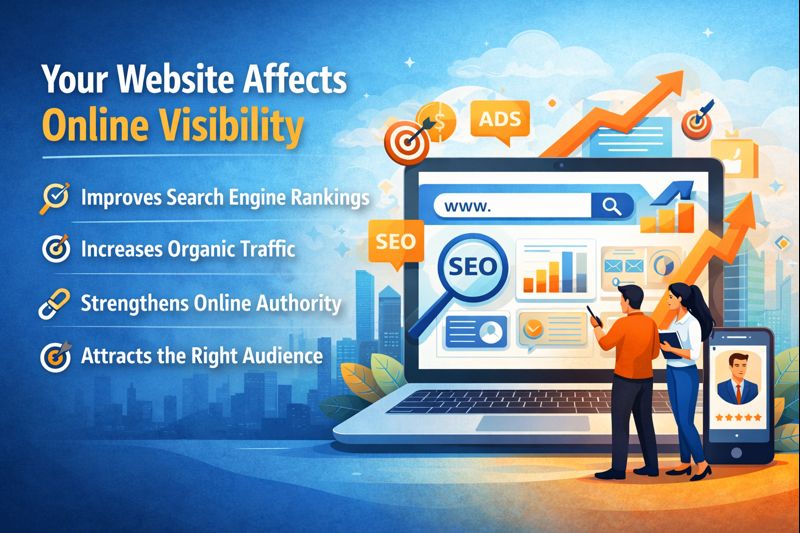
8. Your Website Affects Online Visibility
Your website also plays a major role in how easily people can find you online. Search engines favor websites that are well-structured, fast, secure, and informative.
A good website helps:
- Improve search engine rankings
- Increase organic traffic
- Strengthen online authority
- Attract the right audience
Better visibility leads to more opportunities, and those opportunities start with a strong first impression.
9. Sets You Apart From Competitors
In competitive markets, many businesses and professionals offer similar services. What often differentiates one from another is presentation and digital presence.
A professional, well-thought-out website helps you stand out by:
- Showcasing your unique strengths
- Communicating your story clearly
- Highlighting your expertise
- Creating emotional connection
When visitors compare options, the one with a better digital presence usually wins.
10. Long-Term Impact of Digital First Impressions
Digital first impressions are not temporary. A strong website leaves a lasting impact and keeps working for you over time. As your experience grows, your website can evolve, adding more content, case studies, blogs, and features.
Over the long term, your website becomes:
- A trusted digital asset
- A central hub for your brand
- A consistent source of leads
- A foundation for growth and scalability
Conclusion
In the digital age, first impressions no longer happen in person—they happen online. Your website is often the first and most powerful impression you make on potential clients, customers, and partners. A professional, well-designed, and user-friendly website builds trust, communicates value, and opens the door to opportunities.
Ignoring your website means leaving your digital first impression to chance. Investing in a strong website means taking control of how the world sees you. In a world where attention is limited and competition is high, your website truly matters.