What Is Digital Marketing and Why It Matters for Small Businesses

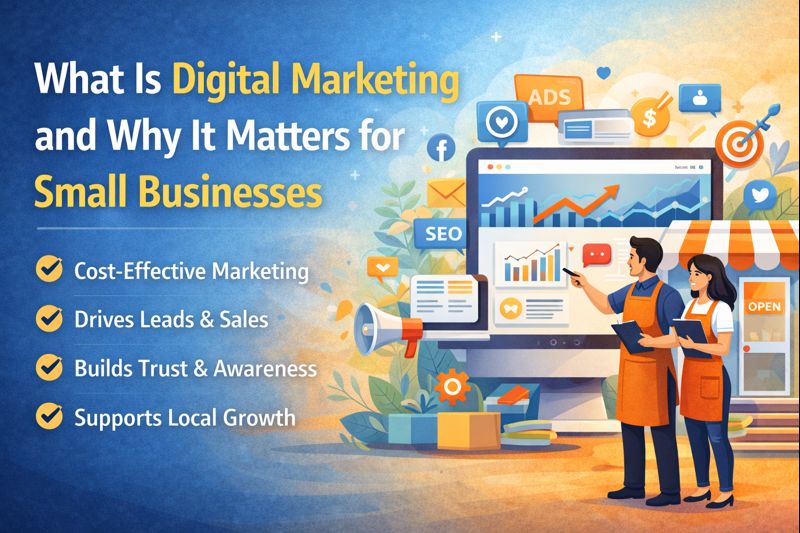
In today’s technology-driven world, businesses no longer depend only on traditional marketing methods like newspapers, banners, or word-of-mouth. Customers now search online before making almost any buying decision. For small businesses, this shift presents both a challenge and a powerful opportunity. This is where digital marketing plays a crucial role.
Digital marketing helps small businesses compete, grow, and reach the right audience without spending massive budgets. This article explains what digital marketing is and why it is essential for small businesses in the modern digital age.

What Is Digital Marketing?
Digital marketing refers to promoting products or services using online and digital channels such as search engines, websites, social media, email, and mobile apps. Unlike traditional marketing, digital marketing allows businesses to reach targeted audiences, track results, and optimize strategies in real time.
Digital marketing focuses on connecting with customers where they already spend their time—online.
Major Types of Digital Marketing
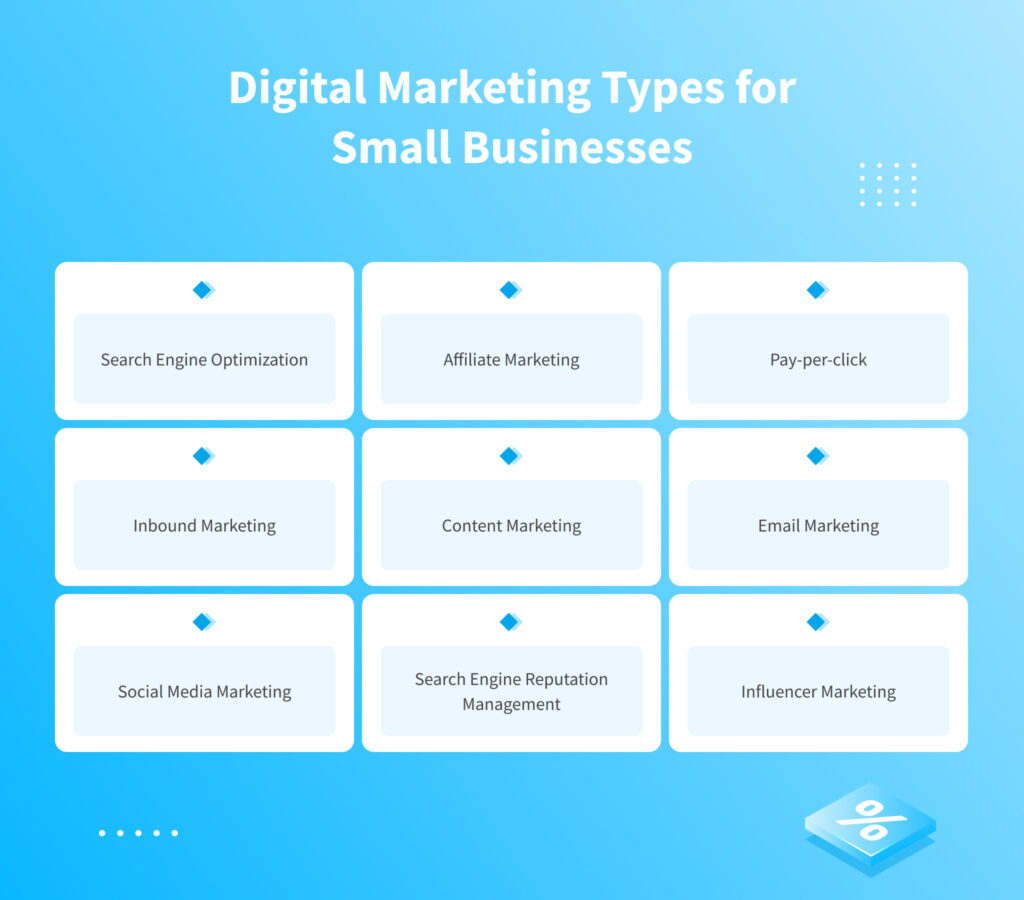
1. Search Engine Optimization (SEO)
SEO helps your website appear on search engines like Google when people search for related services or products. It increases organic traffic and long-term visibility without paying for every click.
2. Social Media Marketing
Platforms like Facebook, Instagram, LinkedIn, and YouTube allow businesses to connect with customers, build trust, and promote products through posts, reels, ads, and stories.
3. Content Marketing
This includes blogs, articles, videos, and graphics that educate, inform, and engage users while building brand authority and trust.
4. Email Marketing
Email marketing helps businesses stay connected with existing customers, promote offers, and build long-term relationships.
5. Pay-Per-Click Advertising (PPC)
Paid ads on Google and social media platforms help businesses get instant visibility and quick leads.
Why Digital Marketing Matters for Small Businesses
1. Cost-Effective Marketing Solution
Small businesses often operate with limited budgets. Digital marketing is more affordable than traditional advertising methods and offers better returns on investment. You can start with small budgets and scale as results improve.
2. Helps Small Businesses Compete With Big Brands
Digital marketing creates a level playing field. With the right strategy, even small businesses can rank on Google, run targeted ads, and build a strong online presence just like larger companies.
3. Reaches the Right Audience at the Right Time
Digital marketing allows precise targeting based on location, interests, age, behavior, and search intent. This ensures your message reaches people who are genuinely interested in your products or services.
4. Improves Online Visibility and Brand Awareness
When your business appears on search engines and social media regularly, people start recognizing and trusting your brand. Strong visibility leads to higher credibility and customer confidence.
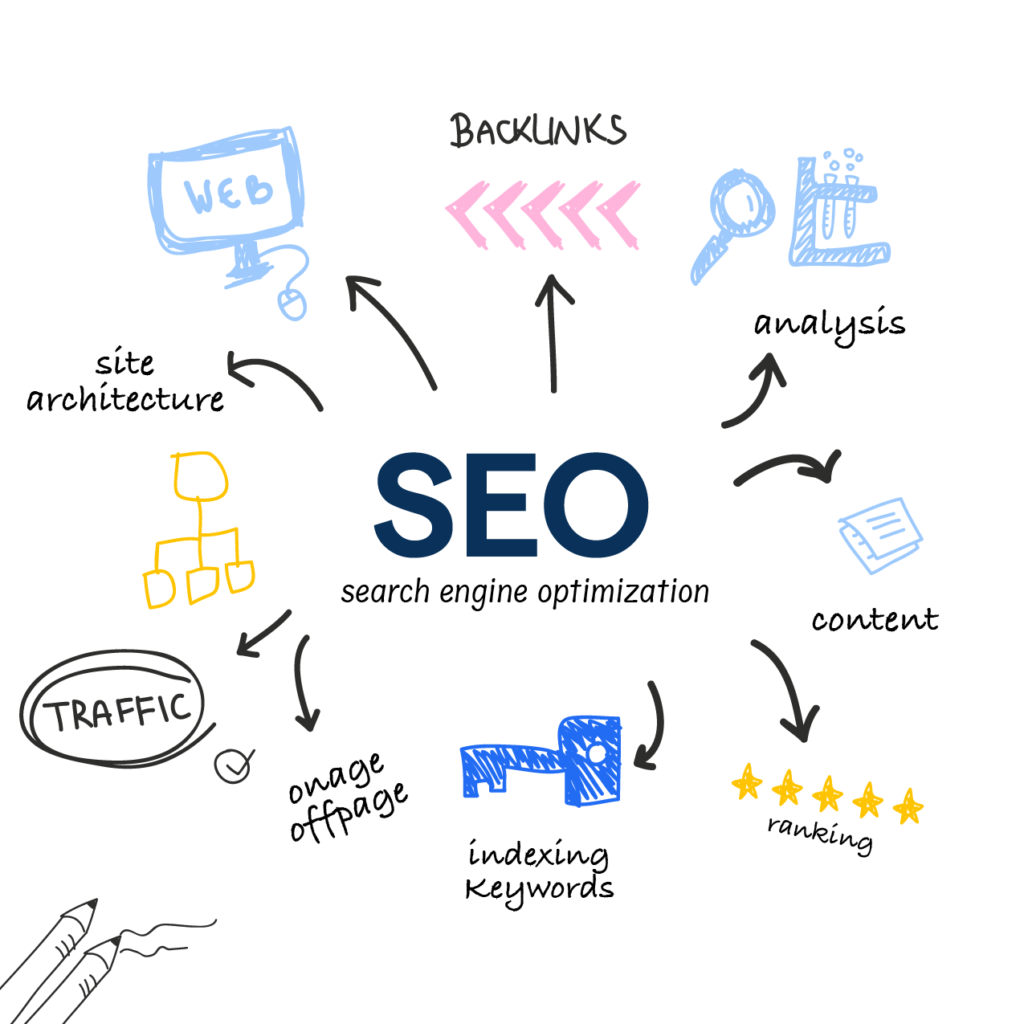
5. Delivers Measurable Results
One of the biggest advantages of digital marketing is tracking. You can measure:
- Website traffic
- Lead generation
- Conversion rates
- Ad performance
- Customer engagement
This data helps you make smarter marketing decisions.
6. Drives More Leads and Sales
Digital marketing strategies like SEO, paid ads, and landing pages help convert visitors into leads and customers. With proper optimization, your website becomes a powerful sales tool.
7. Builds Customer Trust and Relationships
Through blogs, social media, and email marketing, small businesses can educate customers, answer questions, and build long-term trust. Trust leads to repeat customers and referrals.
8. Supports Local Business Growth
Local SEO and location-based ads help small businesses attract nearby customers. This is especially important for service-based and local businesses such as shops, agencies, clinics, and restaurants.
9. Works 24/7 for Your Business
Unlike traditional marketing, digital marketing works round the clock. Your website, ads, and content continue generating leads even when your business is closed.
10. Helps Businesses Adapt and Scale
Digital marketing strategies can be adjusted quickly based on performance. This flexibility allows small businesses to test, learn, and scale without high risks.
Digital Marketing vs Traditional Marketing
| Traditional Marketing | Digital Marketing |
|---|---|
| Expensive | Cost-effective |
| Hard to measure | Easy to track |
| Limited reach | Global & local reach |
| One-way communication | Two-way engagement |
| Fixed strategy | Flexible & adjustable |
Conclusion
Digital marketing is no longer optional for small businesses—it is essential. It provides visibility, credibility, affordability, and measurable growth opportunities that traditional marketing cannot match. Whether you want more website traffic, leads, sales, or brand awareness, digital marketing gives you the tools to achieve your goals.
For small businesses looking to grow in today’s competitive market, investing in digital marketing is one of the smartest decisions they can make. With the right strategy, even a small business can build a strong digital presence and achieve long-term success.