Why a Portfolio Website Is Essential in the Digital Age?

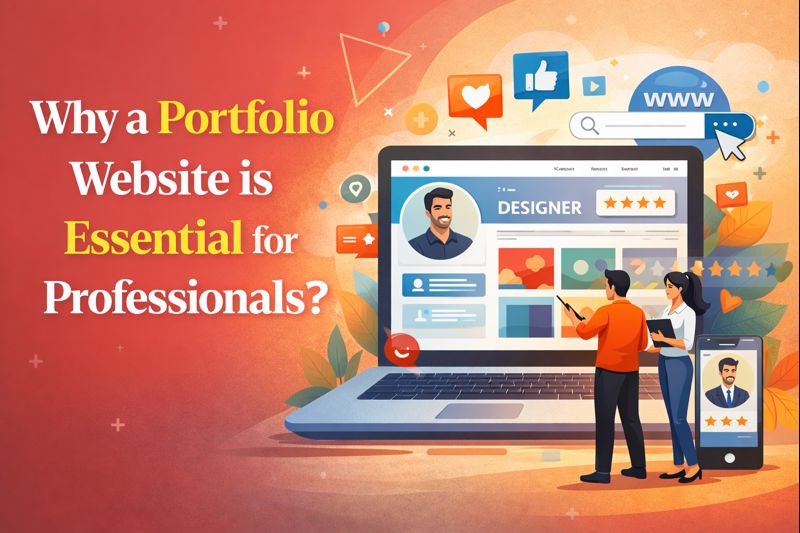
In today’s fast-paced digital world, your online presence often creates the first impression before you ever meet a client, employer, or collaborator. Whether you are a freelancer, entrepreneur, creative professional, startup founder, or service-based business owner, a portfolio website is no longer optional—it is essential. A portfolio website acts as your digital identity, showcasing who you are, what you do, and why someone should trust you.
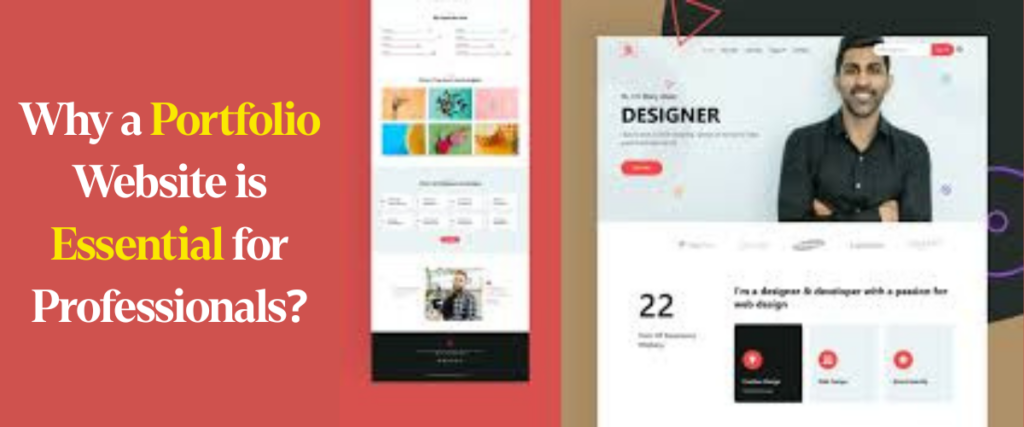
This article explains in detail why having a portfolio website is so important and how it can help you grow professionally and financially.
1. A Strong First Impression Matters
People judge credibility within seconds of landing on a website. A well-designed portfolio website instantly communicates professionalism, seriousness, and trust. Instead of explaining your work repeatedly through messages, calls, or emails, your website does the talking for you—24/7.
When someone searches your name or business online and finds a clean, modern, and informative website, it builds confidence. On the other hand, not having a website or relying only on social media can make you appear less established.
2. Complete Control Over Your Personal Brand
Social media platforms come with limitations—design restrictions, algorithm changes, and dependency on third-party rules. A portfolio website gives you full control over your brand identity.
You decide:
- How your work is presented
- What message you want to convey
- The colors, typography, layout, and tone
- The story behind your journey
Your website becomes a reflection of your vision and values, not a template-driven profile like on social media platforms.
3. Showcase Your Work in a Professional Way
The core purpose of a portfolio website is to display your work. Whether you are a web designer, developer, digital marketer, photographer, writer, architect, or consultant, a portfolio allows you to:
- Display real projects with details
- Show before-and-after results
- Explain your process and approach
- Highlight achievements and outcomes
This is far more powerful than simply listing skills on a resume. Clients and recruiters prefer proof of work, and a portfolio website provides exactly that.
4. Builds Trust and Credibility
Trust is the foundation of any business relationship. A portfolio website helps establish trust by including elements such as:
- About section with your background and experience
- Client testimonials and reviews
- Case studies
- Certifications, awards, or recognitions
- Clear contact information
When visitors see transparency and professionalism, they feel more comfortable reaching out or doing business with you.
5. Works as a 24/7 Marketing Tool
Unlike physical marketing methods or manual outreach, a portfolio website works for you all the time. It can attract potential clients even while you are sleeping.
With proper SEO (Search Engine Optimization), your website can:
- Appear in Google search results
- Attract organic traffic
- Generate leads automatically
- Reduce dependency on paid ads
In simple words, your portfolio website becomes your digital salesperson that never takes a break.
6. Helps You Stand Out From the Competition
In competitive industries, many people have similar skills. What makes the difference is presentation and positioning.
A strong portfolio website helps you stand out by:
- Highlighting your unique strengths
- Showing your personality and work style
- Presenting your journey and vision
- Creating a memorable impression
When two professionals have similar skills, clients usually choose the one with a better portfolio and online presence.
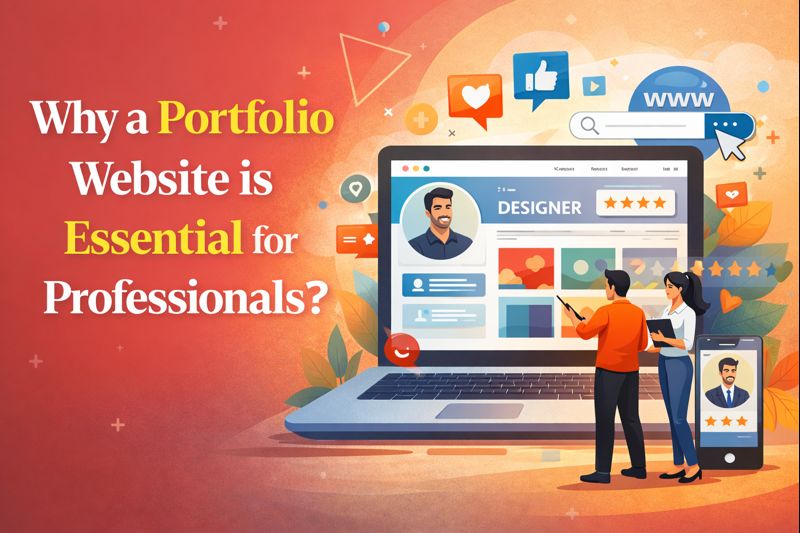
7. Improves Career and Business Opportunities
A portfolio website opens doors to opportunities you might not even expect. Recruiters, agencies, collaborators, and international clients often search online for talent.
With a portfolio website:
- You become discoverable globally
- You can attract better-quality clients
- You increase chances of high-paying projects
- You look more professional for job applications
Many opportunities come simply because someone visited a website and liked what they saw.
8. Easy to Share and Promote
Sharing your portfolio website is extremely easy. You can add it to:
- Email signatures
- Business cards
- Social media profiles
- WhatsApp Business
- LinkedIn and job portals
Instead of sending multiple files or links, one website link is enough to represent your entire professional profile.
9. Supports Long-Term Growth
A portfolio website is not static—it grows with you. As you gain more experience, complete more projects, and learn new skills, you can keep updating your website.
Over time, it becomes:
- A record of your professional journey
- A strong digital asset
- A source of recurring leads
- A foundation for future business expansion
You can later add blogs, services, booking systems, or even e-commerce features.
10. Suitable for Every Profession
Many people think portfolio websites are only for designers or developers, but that is not true. Today, portfolio websites are useful for:
- Freelancers
- Startups
- Digital marketing agencies
- Consultants
- Coaches and trainers
- IT service providers
- Content creators
- Small business owners
No matter your field, if you want visibility, trust, and growth, a portfolio website is a must.
Conclusion
In the modern digital era, a portfolio website is not just an online resume—it is your identity, credibility, and marketing platform combined into one. It helps you make a strong first impression, showcase your work, build trust, attract opportunities, and grow your career or business.
If you want to be taken seriously, reach a wider audience, and stay ahead in a competitive market, investing in a portfolio website is one of the smartest decisions you can make. It is not an expense—it is a long-term investment in your professional future.